Comprehensive guide to using wall tiles in contemporary design, proper installation techniques, and effective maintenance strategies.
Wall tiles have evolved from purely functional elements to key design features that can dramatically transform interior spaces. Modern wall tiles offer endless design possibilities for kitchens, bathrooms, and accent walls throughout your home.
Design Ideas and Inspiration:
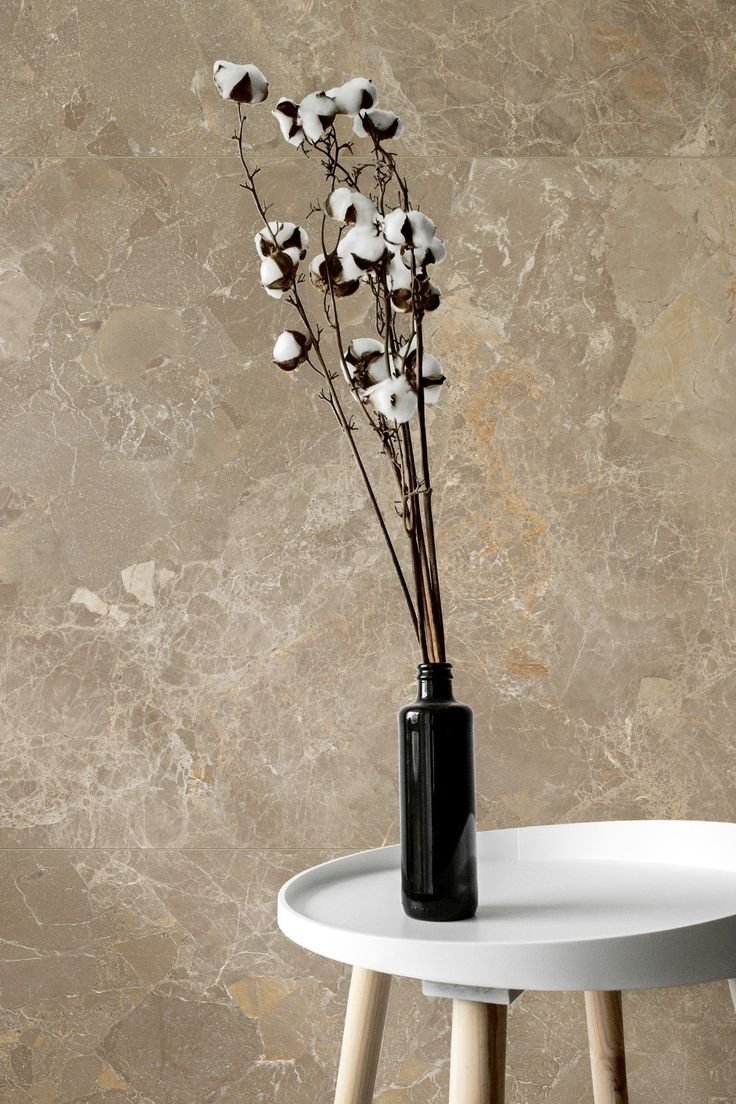
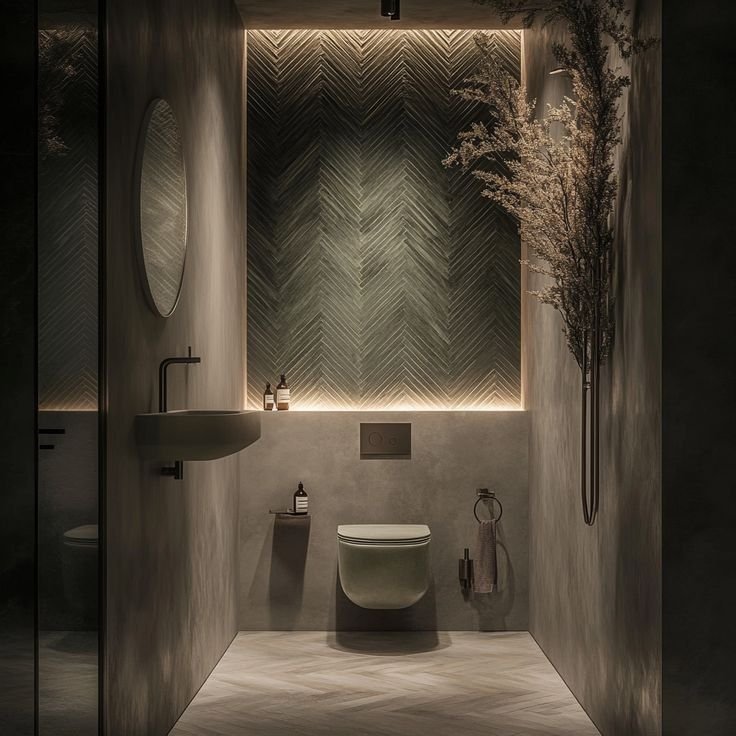
Subway tiles remain a timeless choice, offering clean lines and versatility. Geometric patterns create visual interest and can be combined with solid-colored grout for different effects. Large-format wall tiles create seamless, contemporary aesthetics ideal for modern interiors.
Textured tiles add depth and sophistication to walls. Wood-effect tiles bring warmth to spaces without actual wood's maintenance requirements. Three-dimensional tiles create dramatic focal points and add architectural character.
Color Selection:
Neutral tones provide timeless appeal and work with various design schemes. Jewel tones like emerald, sapphire, and amethyst create luxury feelings in bathrooms. Earth tones including terracotta and ochre add warmth and natural beauty.
Installation Techniques:
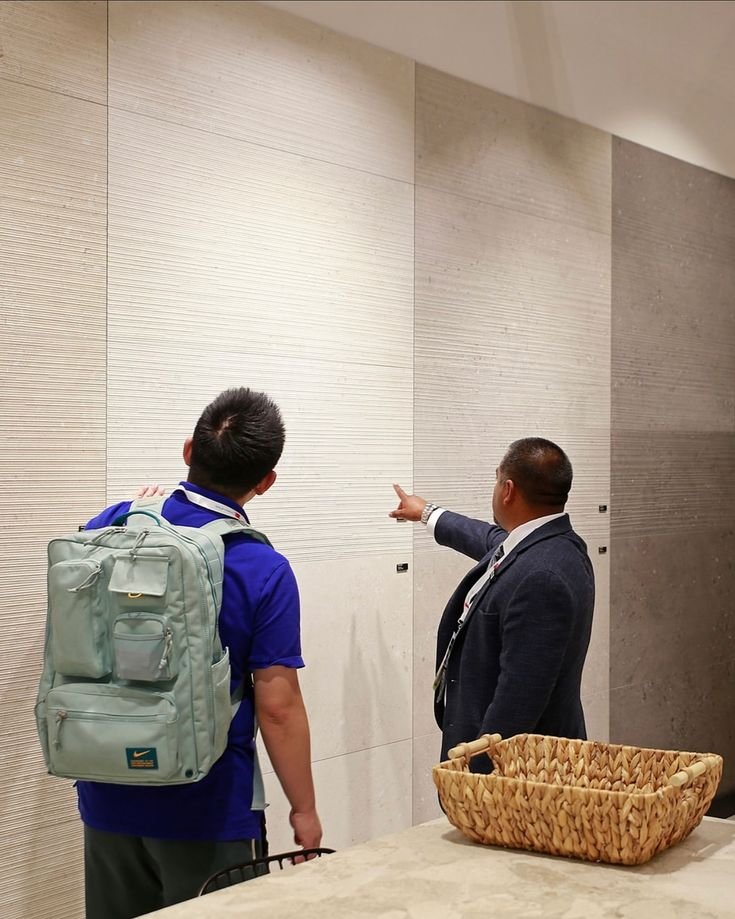
Professional installation is crucial for proper adhesion and longevity. Modern thin-set mortars ensure strong bonds between tiles and walls. Large-format tiles require skilled installation to prevent lippage (uneven edges) and ensure proper support.
Grout Selection:
Grout color dramatically affects the final appearance. Matching grout creates seamless patterns, while contrasting grout emphasizes tile geometry. Epoxy grout offers superior stain resistance compared to cement-based options.
Maintenance and Care:
Most wall tiles require only regular cleaning with mild soap and water. Grout lines may benefit from occasional sealing to prevent staining and moisture absorption. Avoid harsh chemicals that can damage grout or glazed surfaces.
Common Mistakes to Avoid:
Using floor tiles on walls can result in tiles that are too heavy for proper adhesion. Inadequate substrate preparation leads to cracked tiles and failed installations. Poor ventilation in bathrooms can cause moisture issues and mold growth.
Back to Home